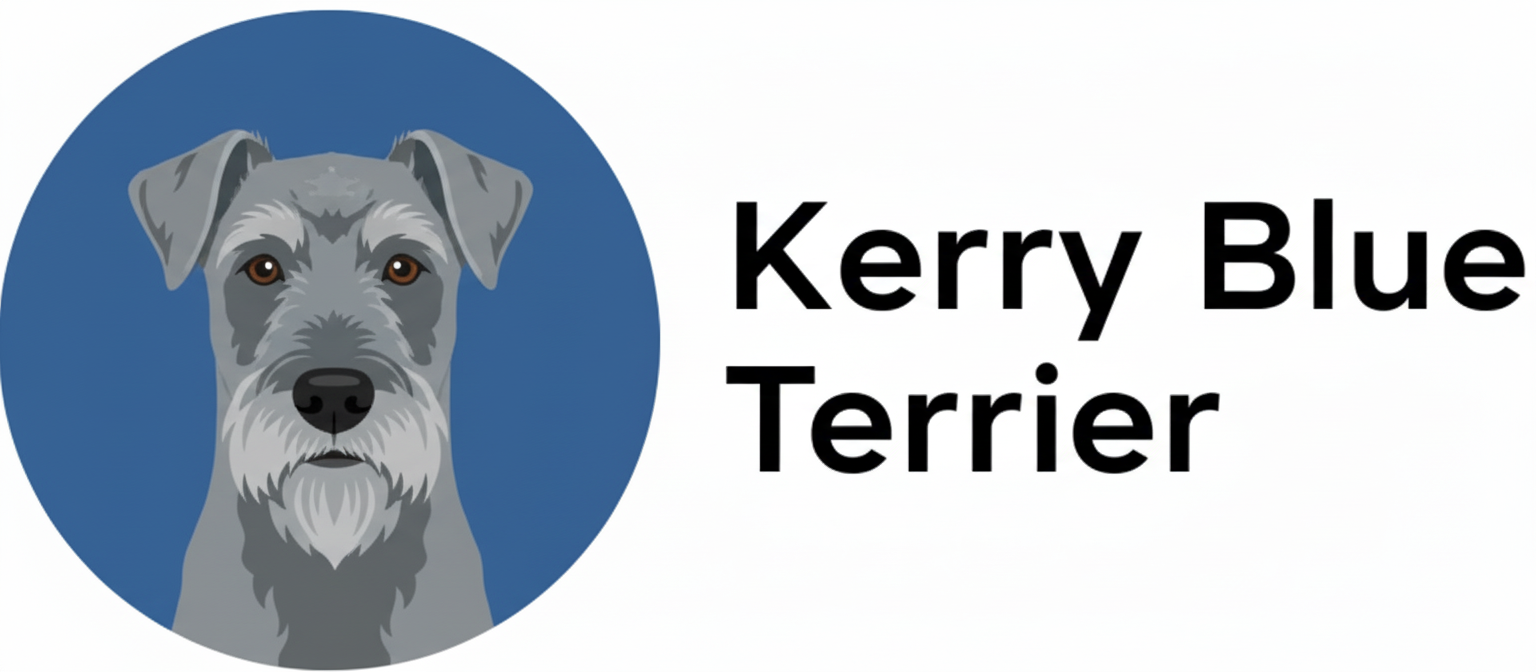

What if the color of your Kerry Blue Terrier’s nose could reveal the genetic authenticity of your beloved companion? While many dog enthusiasts focus on the iconic blue coat, the black nose serves as nature’s stamp of approval for breed purity.
A Kerry Blue Terrier with a black nose represents the breed’s gold standard, as official breed standards from the American Kennel Club (AKC), The Kennel Club (UK), and Continental Kennel Club universally specify black noses as essential for show-quality dogs.
This comprehensive guide explores everything you need to know about Kerry Blue Terriers with black noses, from genetic significance to health implications and breeding considerations. Understanding this crucial trait helps distinguish authentic blue-coated specimens from dilute variations while ensuring you make informed decisions about your canine companion.
Official Breed Standards for Kerry Blue Terrier Black Noses
Every major kennel club maintains strict standards regarding nose pigmentation in Kerry Blue Terriers. The Kennel Club describes “nose black; nostrils of due proportion” as mandatory requirements for the breed.
The United States Kerry Blue Terrier Club echoes this specification with “Nose-Black, nostrils large and wide.” Similarly, the Continental Kennel Club notes the nose must be “well-pigmented and black.”
These standards exist for scientific reasons beyond aesthetics. A black nose confirms non-dilute black pigmentation, serving as a genetic authenticity marker that separates true Kerry Blues from dogs carrying dilution genes.
The Genetics Behind Black Noses in Kerry Blue Terriers
Understanding Pigmentation Genetics
The black nose in Kerry Blue Terriers results from specific genetic mechanisms controlling eumelanin production. According to UC Davis Veterinary Genetics Lab, the Dominant Black (K Locus) regulates eumelanin (black pigment) versus phaeomelanin production.
This genetic foundation explains why Kerry Blue Terriers are born completely black before their coats clear to various blue shades by 18 months. The black nose remains constant throughout this transformation, serving as evidence of proper genetic expression.
Distinguishing Dilution from Greying
Many people confuse the natural greying process in Kerry Blues with genetic dilution. However, these represent entirely different genetic mechanisms:
- Greying Gene: Creates the characteristic blue coat while maintaining black nose pigmentation
- Dilution Gene (dd locus): Would turn the nose blue, liver, or isabella colored
- Proper Kerry Blues: Carry the greying gene but NOT the dilution gene
Dogs with diluted pigmentation cannot achieve the true Kerry Blue standard and may face disqualification in conformation shows.
Health Implications of Proper Pigmentation
The black nose serves as more than a cosmetic feature – it indicates proper genetic health in several ways. Research from the University of Missouri College of Veterinary Medicine reveals important connections between pigmentation and overall genetic integrity.
| Health Aspect | Black Nose Significance | Diluted Pigmentation Risk |
|---|---|---|
| UV Protection | Strong melanin protection | Increased skin cancer risk |
| Genetic Integrity | Confirms breed purity | May indicate crossbreeding |
| Eye Health | Proper iris pigmentation | Potential vision issues |
Common Health Concerns in Kerry Blue Terriers
While nose color doesn’t directly cause health problems, understanding genetic markers helps identify potential concerns:
- Multiple System Degeneration (MSD): Linked to HEXA gene mutations
- Neuronal Ceroid Lipofuscinosis (NCL): Progressive neurological condition
- Calcinosis Cutis: Steroid-induced skin mineralization
The Kerry Blue Terrier Foundation recommends genetic screening for these conditions, emphasizing how proper pigmentation markers like black noses help breeders maintain genetic diversity. For more comprehensive information about health issues affecting the breed, learn about top 5 Kerry Blue Terrier genetic diseases.
How to Verify Your Kerry Blue Terrier’s Nose Color
Proper identification of nose color requires understanding subtle variations and age-related changes. Follow this step-by-step assessment:
Visual Inspection Steps
- Examine in Natural Light: Indoor lighting can distort color perception
- Check Nostril Edges: Look for consistent black pigmentation around nostril openings
- Assess Uniformity: True black should appear consistent across the entire nose leather
- Compare to Standards: Reference official breed photos for comparison
Remember that very young puppies may show slight color variations that resolve as pigmentation develops fully by 12-18 months.
Breeding Considerations and Genetic Testing
Responsible breeders prioritize black nose pigmentation as evidence of genetic authenticity. Modern genetic testing provides additional verification beyond visual assessment.
Recommended Genetic Tests
Current genetic testing options for Kerry Blue Terriers include:
- Coat Color Panel: Identifies dilution gene carriers
- Health Screening: Tests for MSD and NCL mutations
- Parentage Verification: Confirms pedigree accuracy
These tests complement visual nose assessment by providing molecular-level confirmation of genetic makeup. If you’re considering breeding your Kerry Blue, understanding when to breed a Kerry Blue Terrier and the right Kerry Blue Terrier litter size can help ensure healthy offspring with proper pigmentation.
Historical Development of the Black Nose Standard
The Kerry Blue Terrier’s black nose requirement stems from the breed’s Irish farm dog origins. DNA research has debunked earlier theories about Irish Wolfhound ancestry, instead confirming genetic ties to Irish earthdogs and bully breeds like Staffordshire Bull Terriers.
This genetic foundation explains both the robust build characteristic of Kerry Blues and the consistent black pigmentation that became central to breed standards. Early breed developers recognized the black nose as a marker of authentic Irish terrier genetics.
Understanding this history helps explain why modern breed standards universally require black noses for show quality dogs – it represents centuries of selective breeding for genetic authenticity. Regular grooming with a quality brush helps maintain the coat condition that complements the breed’s distinctive nose pigmentation.
The Kerry Blue Terrier with a black nose represents the pinnacle of breed standards, combining genetic authenticity with health indicators that benefit both dogs and owners. This distinctive feature serves as nature’s verification system for breed purity while contributing to the overall genetic integrity that makes Kerry Blues exceptional companions. Whether you’re considering adding a Kerry Blue to your family or evaluating your current dog’s conformity to breed standards, the black nose remains an essential characteristic worth understanding and appreciating.
Frequently Asked Questions
Can a Kerry Blue Terrier with a non-black nose compete in dog shows?
No, Kerry Blue Terriers with non-black noses face disqualification from conformation shows according to all major kennel club standards. The black nose requirement is considered non-negotiable for show quality dogs, as it indicates proper genetic pigmentation and breed authenticity.
When do Kerry Blue Terrier puppies develop their final nose color?
Kerry Blue Terrier puppies typically develop their final black nose pigmentation by 12-18 months of age. While born with black noses, the pigmentation may appear slightly lighter in very young puppies before deepening to the required solid black as they mature.
What does a blue or liver-colored nose indicate in a Kerry Blue Terrier?
A blue, liver, or isabella-colored nose indicates the presence of dilution genes (dd locus), which is not standard for Kerry Blue Terriers. This suggests either genetic dilution or potential crossbreeding, making the dog unsuitable for breeding programs focused on maintaining breed standards.
How can I tell if my Kerry Blue Terrier’s nose color is acceptable?
Examine your dog’s nose in natural daylight for consistent, solid black pigmentation across the entire nose leather and nostril edges. Any brown, blue, or patchy coloration indicates deviation from breed standards. When in doubt, consult with experienced Kerry Blue breeders or judges.
Do Kerry Blue Terriers with black noses have fewer health problems?
While nose color itself doesn’t directly prevent health issues, a proper black nose indicates correct genetic pigmentation and breed authenticity. This genetic integrity often correlates with overall breed health, as responsible breeding programs that maintain nose standards typically also screen for genetic health conditions.
What genetic tests verify proper nose pigmentation in Kerry Blue Terriers?
Coat color genetic panels can identify dilution gene carriers and verify proper pigmentation genetics. UC Davis Veterinary Genetics Lab offers comprehensive testing that examines the K Locus and other genes controlling eumelanin production responsible for black nose pigmentation.
Can Kerry Blue Terrier nose color change with age or season?
True Kerry Blue Terriers maintain solid black nose pigmentation throughout their lives. Any significant color changes may indicate health issues, sun damage, or genetic factors that warrant veterinary consultation. Minor seasonal variations in intensity are normal but shouldn’t alter the basic black color.