
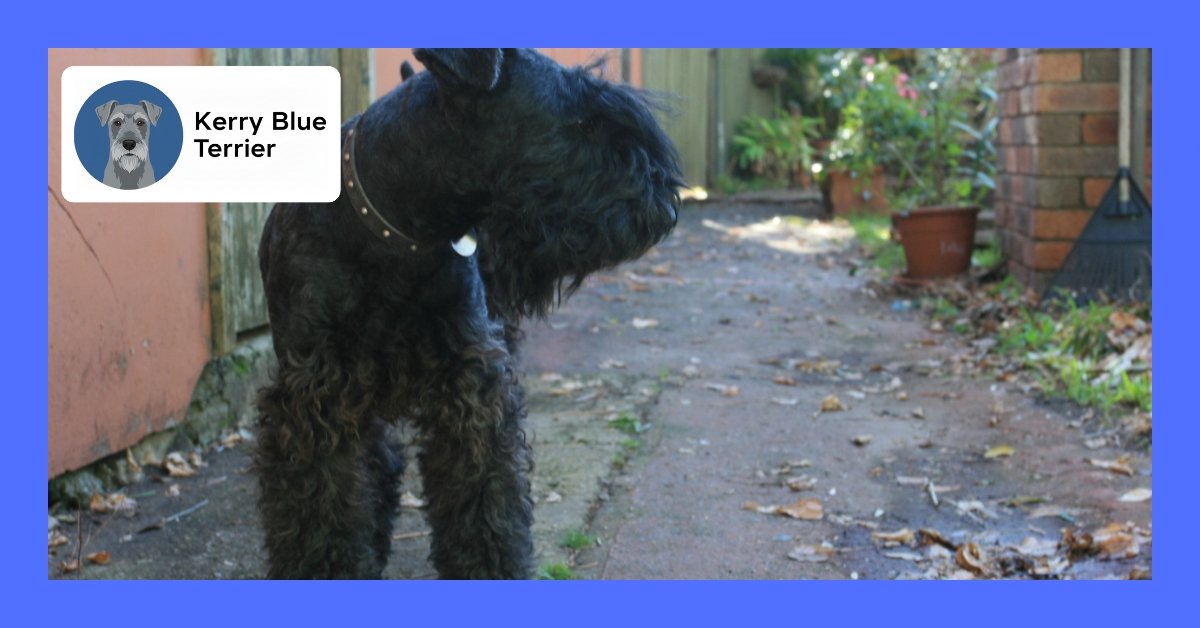
Does your Kerry Blue Terrier look concerningly thin despite eating regularly? You’re not alone – over 30% of terrier owners report confusion about their dog’s ideal weight and when to seek help.
A Kerry Blue Terrier that appears too skinny could be experiencing anything from inadequate nutrition to serious underlying health conditions that require immediate veterinary attention. Understanding the difference between a naturally lean build and unhealthy weight loss is crucial for your dog’s wellbeing.
This comprehensive guide examines the seven most common reasons why Kerry Blue Terriers become underweight, provides expert-backed solutions, and helps you determine when professional intervention is necessary. According to the American Kennel Club, addressing weight concerns promptly can prevent serious complications and ensure your terrier maintains optimal health throughout their life.
Understanding Kerry Blue Terrier Weight Standards
Before determining if your Kerry Blue Terrier is too skinny, you need to understand healthy weight ranges for this breed. Adult males typically weigh between 33-40 pounds (15-18 kg), while females should weigh 30-37 pounds (13.5-16.5 kg).
Kerry Blue Terriers have a naturally athletic build with a lean, muscular frame. Their coat can sometimes make weight assessment challenging, so physical examination is essential. For more detailed information about Kerry Blue Terrier physical characteristics, check out our Kerry Blue Terrier size chart.
Visual Weight Assessment Signs
- Healthy weight: Ribs felt but not visible, visible waist when viewed from above
- Underweight: Ribs, spine, and hip bones easily visible, pronounced waist tuck
- Severely underweight: Prominent bone structure, muscle loss, hollow appearance around face and hindquarters
7 Critical Causes Why Your Kerry Blue Terrier Is Too Skinny
1. Inadequate Nutrition and Poor Diet Quality
The most common reason Kerry Blue Terriers become underweight is insufficient caloric intake or poor-quality food. As Dr. Jerry Klein, DVM and AKC Chief Veterinarian, explains: “A diet can have insufficient calories, meaning a dog isn’t receiving enough for their nutritional needs, or be incomplete and unbalanced.”
Many commercial dog foods contain low-quality ingredients that don’t provide adequate nutrition. Kerry Blue Terriers are active dogs requiring high-quality protein and balanced nutrients to maintain healthy weight.
2. Internal Parasites
Intestinal parasites like roundworms, hookworms, and tapeworms steal vital nutrients from your Kerry Blue Terrier’s digestive system. These parasites can cause significant weight loss even when your dog maintains a normal appetite.
Regular parasite prevention and annual fecal examinations are essential for maintaining healthy weight in Kerry Blue Terriers.
3. Dental Problems and Oral Pain
Dental issues such as tooth decay, gum disease, or oral abscesses can make eating painful for your Kerry Blue Terrier. Dogs may avoid food or eat less to minimize discomfort, leading to gradual weight loss.
Kerry Blue Terriers are particularly susceptible to dental problems due to their terrier heritage and active lifestyle that can lead to tooth damage. Proper Kerry Blue Terrier dental care is essential for preventing these issues and maintaining healthy eating habits.
4. Breed-Specific Genetic Disorders
Kerry Blue Terriers have genetic predispositions to several conditions that can affect weight maintenance:
- Addison’s Disease: Affects hormone production and appetite regulation
- Copper Storage Disease: Impairs liver function and nutrient processing
- Degenerative Myelopathy: Can reduce activity levels and muscle mass
Genetic testing now helps identify these risks early, with over 45% of breed clubs reporting increased DNA panel usage in 2025. Learn more about the top Kerry Blue Terrier genetic diseases to watch for in your dog.
5. Chronic Diseases and Metabolic Disorders
Underlying health conditions like diabetes, kidney disease, or hyperthyroidism can cause rapid weight loss in Kerry Blue Terriers. These conditions affect how your dog’s body processes nutrients and energy.
Early detection through regular veterinary checkups is crucial for managing these conditions before they cause severe weight loss.
6. Stress and Anxiety
Kerry Blue Terriers are intelligent, sensitive dogs that can lose weight due to stress or anxiety. Changes in environment, routine, or family dynamics can trigger appetite loss and weight reduction.
Behavioral research shows that chronic stress significantly impacts canine metabolism and weight maintenance, particularly in sensitive breeds like Kerry Blues.
7. Increased Activity Without Adequate Caloric Adjustment
Active Kerry Blue Terriers may burn more calories than they consume, especially during training periods or seasonal activity increases. Young dogs and working terriers often require significantly more calories than standard feeding guidelines suggest.
When to Seek Immediate Veterinary Care
Certain symptoms accompanying weight loss in your Kerry Blue Terrier require urgent veterinary attention:
- Visible ribs, spine, or hip bones
- Lethargy or decreased activity levels
- Persistent diarrhea or vomiting
- Difficulty eating or swallowing
- Sudden appetite loss lasting more than 24 hours
- Behavioral changes or signs of pain
- Weight loss exceeding 10% of normal body weight
Safe Weight Gain Strategies for Kerry Blue Terriers
Veterinary experts emphasize gradual weight gain to avoid complications like refeeding syndrome and pancreatitis. Rapid caloric increases can actually harm underweight dogs.
Step-by-Step Weight Restoration Plan
- Veterinary Assessment: Complete physical exam, blood work, and parasite screening
- Dietary Evaluation: Calculate current caloric intake and nutritional balance
- Gradual Increase: Add 10-20% more calories weekly under veterinary supervision
- Monitor Progress: Weekly weight checks and body condition scoring
- Adjust Protocol: Modify plan based on response and veterinary guidance
Nutritional Requirements for Healthy Kerry Blue Terriers
| Life Stage | Daily Calories | Protein Minimum | Fat Minimum |
|---|---|---|---|
| Puppy (6-12 months) | 1,200-1,800 | 28% | 17% |
| Adult (1-7 years) | 1,000-1,400 | 25% | 15% |
| Senior (8+ years) | 800-1,200 | 25% | 13% |
| Active/Working | 1,400-2,000 | 30% | 20% |
Prevention and Long-Term Weight Management
Maintaining healthy weight in Kerry Blue Terriers requires consistent monitoring and proactive care. Monthly weight tracking helps identify changes before they become concerning. A supportive harness can help ensure comfortable walks during weight restoration periods.
Essential Prevention Strategies
- Regular veterinary checkups every 6-12 months
- Monthly parasite prevention protocols
- Annual dental cleanings and oral health monitoring
- Genetic screening for breed-specific conditions
- Consistent, high-quality nutrition appropriate for life stage
- Stress management and environmental stability
Understanding why your Kerry Blue Terrier is too skinny involves examining multiple factors from nutrition and parasites to genetic predispositions and underlying diseases. Early intervention and veterinary guidance are essential for safe weight restoration. By monitoring your dog’s body condition, maintaining preventive care, and addressing concerns promptly, you can help your Kerry Blue Terrier achieve and maintain optimal health throughout their life. Ensuring your dog has a comfortable quality bed can also support proper rest during recovery periods.
Frequently Asked Questions
How do I know if my Kerry Blue Terrier is too skinny or just naturally lean?
A healthy Kerry Blue Terrier should have ribs that are easily felt but not visible, a visible waist when viewed from above, and good muscle tone. If you can see ribs, spine, or hip bones, or notice muscle loss around the face and hindquarters, your dog may be underweight. Consult your veterinarian for professional body condition scoring.
What should I feed my underweight Kerry Blue Terrier to help them gain weight?
Never increase food portions dramatically without veterinary guidance. Choose high-quality, calorie-dense foods with at least 25% protein and 15% fat. Gradually increase portions by 10-20% weekly under veterinary supervision. Avoid rapid feeding changes that can cause digestive upset or refeeding syndrome in severely underweight dogs.
How long does it take for a Kerry Blue Terrier to gain weight safely?
Safe weight gain for Kerry Blue Terriers typically occurs at 1-2 pounds per week, depending on how underweight they are initially. Complete weight restoration can take 6-12 weeks with proper veterinary management. Rapid weight gain can be dangerous and should be avoided.
Can genetic testing help determine why my Kerry Blue Terrier is skinny?
Yes, genetic testing can identify predispositions to conditions like Addison’s disease, copper storage disease, and other disorders that may affect weight maintenance. Many Kerry Blue Terrier owners now use DNA panels to screen for these inherited conditions early, allowing for proactive management and monitoring.
When is weight loss in Kerry Blue Terriers considered an emergency?
Seek immediate veterinary care if your Kerry Blue Terrier loses more than 10% of their normal body weight, refuses food for more than 24 hours, shows signs of pain or difficulty eating, or exhibits severe lethargy. Sudden, dramatic weight loss can indicate serious underlying conditions requiring urgent treatment.
Should I be concerned if my Kerry Blue Terrier puppy seems skinny?
Puppies should gain weight consistently during their growth period. If your Kerry Blue Terrier puppy appears thin, has visible ribs, or isn’t gaining weight appropriately, consult your veterinarian immediately. Puppies are more vulnerable to the effects of malnutrition and parasites than adult dogs.
What role does exercise play in my Kerry Blue Terrier’s weight management?
While exercise is important for overall health, underweight Kerry Blue Terriers may need reduced activity during weight restoration to prevent burning excess calories. Once healthy weight is achieved, regular exercise helps maintain muscle mass and proper body condition. Always balance activity levels with caloric intake under veterinary guidance.